


Your shopping cart is empty!
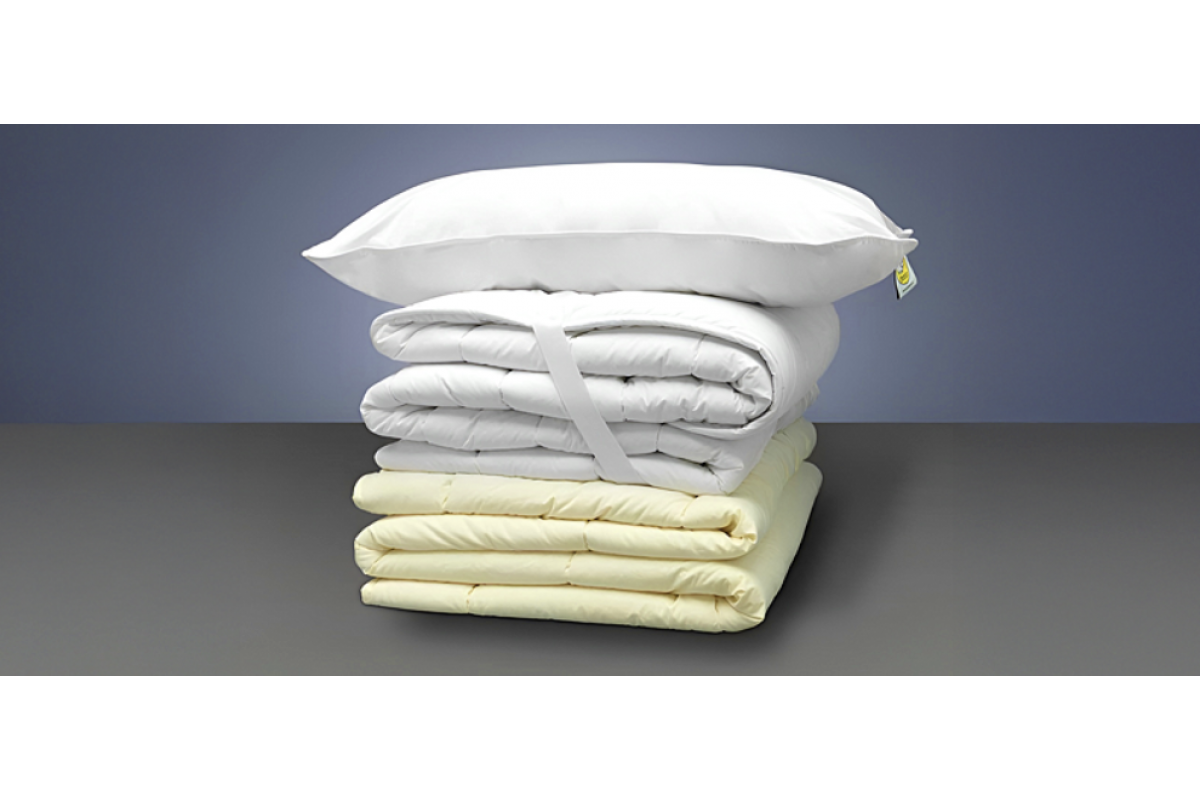
22.12.2025 2010
How to Choose Eco-Friendly Bedding That’s Truly Sustainable
When shopping for eco-friendly bedding, it’s easy to be drawn in by words like natural, sustainable, or green. These labels promise comfort that’s kind to both you and the planet, but they don’t always tell the full story. Many products marketed as “eco-friendly” are treated, coated or manufactured in ways that quietly compromise their sustainability, whether through chemical processing, heavy water use, or synthetic blends.
True sustainability goes beyond the label. It means looking into where the fibres come from, how they’re treated, and how long they’ll last. By understanding these factors, you can make bedding choices that are genuinely responsible, comfortable, and built to last.
Key Insights
-
Look beyond the label. Terms like “eco-friendly” or “natural” can mean very different things — always check how and where materials are produced.
-
Materials matter. Natural and renewable fibres such as cotton, linen, and wool are generally more sustainable than synthetics, though production methods and treatments vary widely.
-
Processing changes everything. Some bedding, such as “machine-washable” wool products, is sometimes treated with chemicals to alter fibre behaviour; a reminder that even natural materials can be processed in ways that affect sustainability.
-
Longevity is key. The most sustainable bedding lasts for years, needing less washing, less energy, and fewer replacements.
-
End-of-life counts. Choose materials that can return safely to the earth, avoiding blends and coatings that prevent biodegradability.
1. Start with Natural, Renewable Materials
The journey to truly sustainable bedding starts with understanding the materials themselves. Not all fibres are created equal, and the environmental impact of your bedding begins long before it reaches your bedroom.
Plant-Based Fibres
Cotton, linen, and bamboo are often promoted as natural and eco-friendly choices — and they can be, depending on how they’re grown and processed.
-
Organic cotton avoids synthetic pesticides and uses less water than conventional cotton.
-
Linen, made from flax, is one of the most resource-efficient plant fibres, requiring minimal water and chemicals.
-
Bamboo can be sustainable, too, but all bamboo bedding products have to go through a chemically toxic process to produce usable fibres, so this one requires some research.
Animal-Based Fibres
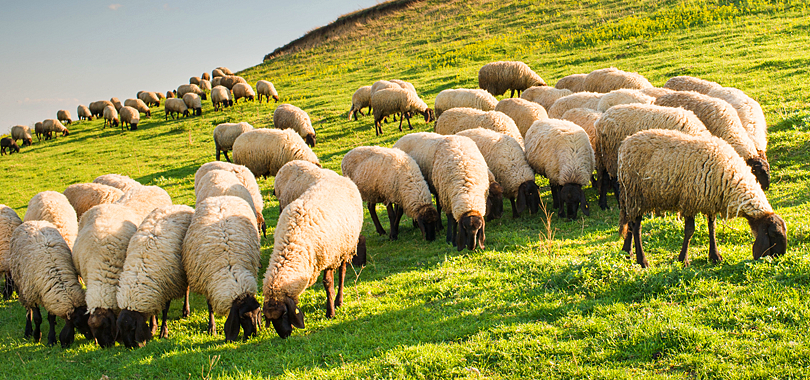
Wool is one of nature’s most sustainable materials. It’s renewable — shorn from sheep annually — and completely biodegradable. Wool’s natural crimp and structure allow it to regulate temperature, wick moisture, and resist odours, often with far less need for washing than synthetic fillings.
At Baavet, we believe sustainability starts with simplicity; using natural, renewable materials that perform beautifully without unnecessary intervention. Of course, what happens after those materials are sourced is just as important. How they’re treated can make all the difference to their comfort, longevity, and true sustainability.
2. Look Beyond “Natural” Labels: Fibre Treatments Matter
It’s easy to see why “machine-washable wool duvets” are appealing — they sound practical and easy to care for. What many people don’t realise, though, is that this usually refers to wool that has been chemically treated to withstand frequent washing.
One of the most common treatments is the Hercosett process, where the wool goes through a toxic chemical process that strips all the outer follicles of the fibres and then coats the fibres with a polymer. It reduces shrinkage when the wool is washed, but it reduces the effectiveness of the wool’s functions and cancels out its natural biodegradability. It also changes wool’s natural structure and reduces its ability to breathe, wick moisture, and refresh itself naturally.
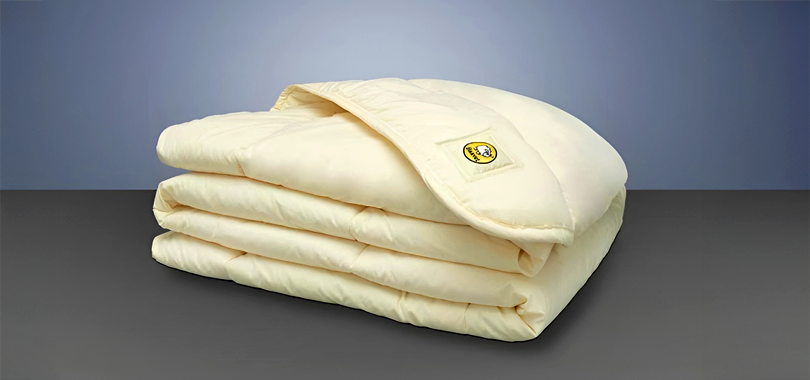
At Baavet, we believe there’s a simpler, more sustainable way. Our wool bedding uses untreated British wool, free from Hercosett and synthetic coatings. The fibres retain their natural lanolin, allowing them to stay fresh with minimal effort — usually just a gentle airing in the sunshine.
To see how easy it really is, watch our short guide on caring for your Baavet:
Airing your duvet outdoors lets UV rays naturally cleanse the fibres and refresh the wool — no detergents, no dry cleaning, just fresh air and sunlight doing the work nature intended.
3. Natural vs Synthetic Materials: The Environmental Impact
When it comes to bedding, the choice between natural and synthetic is more than just about feel or look; it’s about long-term footprint.
-
Synthetic fibres like polyester, nylon or microfibre are derived from petrochemicals. They’re often sold as easy-care or “washable”, but they shed microplastics with each wash and take decades to break down in landfill.
-
Natural fibres such as wool, cotton and linen are renewable, breathable and, if untreated, fully biodegradable.
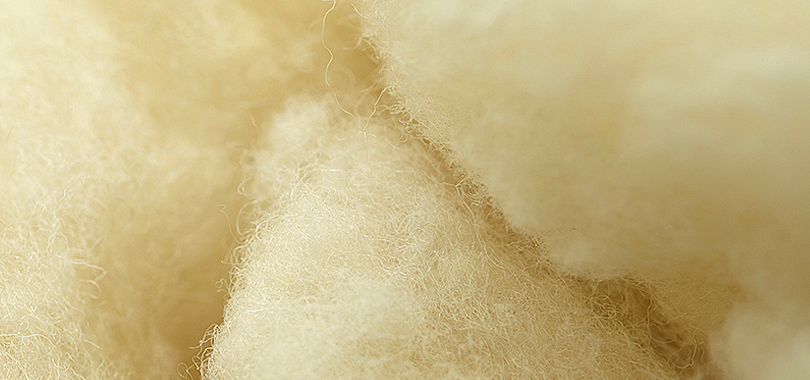
Wool in particular offers a remarkable combination of properties: it absorbs and releases moisture while maintaining a comfortable body-temperature balance, making it ideal year-round. Compared with synthetic duvets, which may rely on chemical coatings to imitate these qualities (which wear off over time), natural wool remains inherently effective.
At Baavet we focus on wool’s natural design — no chemical coatings, just raw fibre and craftsmanship. That means you sleep better, and the planet breathes easier.
4. Transparency & Traceability: Asking the Right Questions
In today’s bedding market, sustainability is a valuable marketing message — but not all claims are equal. Labels like “eco”, “green”, “natural” may refer only to a small part of the product’s lifecycle.
To evaluate a truly sustainable product, ask:
-
Where were the fibres sourced?
-
Were chemicals used at any stage of processing?
-
Is the product built to last (rather than be replaced frequently)?
-
What happens to it at the end of its life?
-
Is the brand transparent about sourcing, processing and disposal?
Baavet meets these questions head-on. The wool is British and 100% natural; the entire process, from carding through packaging.
5. Longevity and Care
Sustainability isn’t only about how something is made; it’s also about how long it lasts. Bedding that needs frequent replacing, washing, or special treatments can have a much higher environmental impact over time.
Natural wool bedding is designed to last. High-quality wool fibres have a natural elasticity that helps them retain their shape and loft for years, even with regular use. Unlike synthetic fillings, or even down, which can flatten or clump, wool fibres spring back into place, maintaining comfort and insulation without constant fluffing.
As for washing, untreated wool is naturally resistant to dust mites, mould, and odours, meaning it stays fresher for longer and needs far less frequent cleaning. As we’ve covered, simply airing your Baavet on a sunny day is often all it takes to keep it fresh — the natural lanolin in the fibres and a little UV light work together to lift moisture and odours away.
And what if you spill a cup of tea over your duvet, you ask? Don’t worry — a gentle spot clean is all that’s needed. Simply soak the affected area with cool water, use a mild soap, rinse thoroughly, and hang your duvet out to dry.
6. End-of-Life Impact: What Happens When Bedding Wears Out?
The final chapter of a product’s lifecycle is often overlooked. But how your bedding ends matters just as much as how it begins.
-
Synthetic fibres and chemically treated materials often take decades to degrade, and can release microplastics or harmful substances as they break down.
-
Natural, untreated fibres like wool and cotton behave very differently: wool is fully biodegradable and compostable. Cotton, when grown and processed responsibly, can also return safely to the earth.
By choosing bedding made from untreated, natural fibres, you ensure that when it eventually wears out, it re-enters the ecosystem safely.
At Baavet: our wool and cotton casing are untreated and natural, meaning when their long life in your home finally ends, they can return to the soil, not the landfill.
Sleep Better, Naturally
When wool is left in its pure, untreated state, it does exactly what it’s meant to: breathe, regulate temperature, and stay fresh with very little care.
At Baavet, we keep things simple — British wool, natural cotton, no unnecessary chemicals. The result is comfort that lasts for years and a product that treads lightly on the planet.
Better for you, better for your sleep, and better for the planet — that’s what sustainability means to us.
Information
My Account
Copyright © 2026, Baavet Cyf.
